
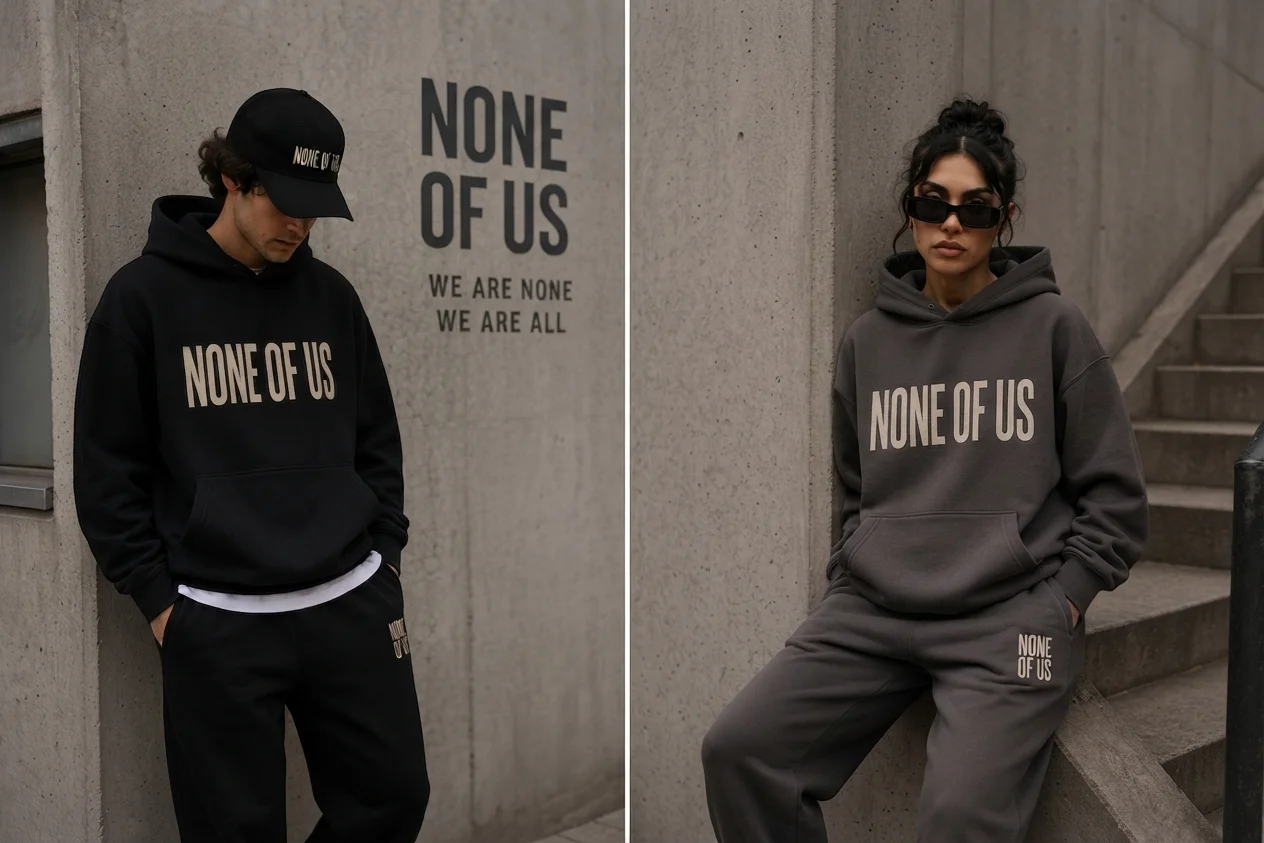
Streetwear has always been about self-expression, culture, and breaking the traditional rules of fashion. From oversized hoodies to relaxed cargo pants and classic tracksuits, the culture moves fast. However, with this rapid growth, the fashion industry has faced a harsh reality check regarding its environmental footprint.
Fast fashion in streetwear has led to excessive waste, carbon emissions, and unethical labor practices. That is where the shift toward sustainable streetwear comes in. Modern consumers are no longer just asking, “How does this look?” They are asking, “Who made this, and at what cost to the planet?”
If you want to upgrade your wardrobe while keeping your eco-conscious values intact, this comprehensive guide will walk you through everything you need to know about choosing truly sustainable streetwear, especially if you are shopping through a trusted Nofs store or exploring modern collections from the None Of Us brand.
1. Understanding the Environmental Impact of Traditional Streetwear
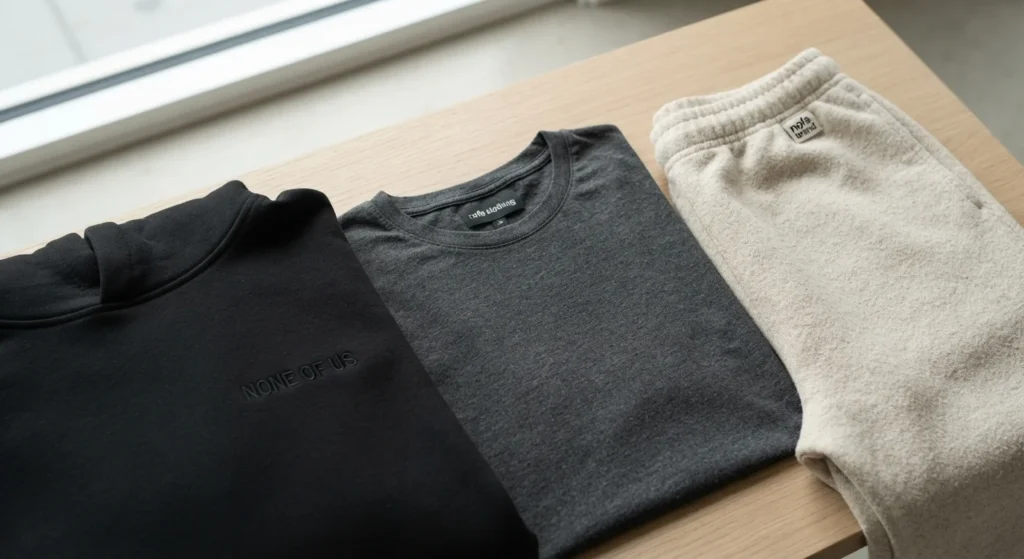
Before diving into how to shop sustainably, it is essential to understand why the change is necessary. Traditional streetwear relies heavily on synthetic materials like polyester, nylon, and conventional cotton.
- Microplastics: Synthetic fabrics shed microplastics every time they are washed, which ultimately end up in our oceans and food chain.
- Water Consumption: Conventional cotton farming requires massive amounts of water and toxic pesticides, depleting local ecosystems.
- Fast Trends & Landfill Waste: Limited-edition drops and hype culture often encourage overconsumption, leading to garments being worn a few times and then discarded.
Forward-thinking labels under the nofs brand umbrella aim to disrupt this cycle by prioritizing eco-friendly materials, ethical manufacturing, and circular fashion models.
2. Key Elements to Look for in Sustainable Streetwear Brands
When evaluating a brand claiming to be “eco-friendly” or “green,” you need to look past the marketing buzzwords. True sustainability is backed by transparent practices and certifications. Here are the core pillars to look for:
A. Eco-Friendly and Innovative Fabrics
The foundation of any sustainable garment is its material. Whether you are buying a staple NOFS hoodie or a graphic nofs shirt, look for items that utilize:
- Organic Cotton: Grown without harmful pesticides or synthetic fertilizers, saving water and protecting soil health.
- Recycled Materials: Fabrics made from post-consumer recycled polyester (rPET) or recycled cotton reduce the demand for virgin resources.
- Hemp and Tencel: Hemp requires minimal water and regenerates soil, while Tencel (lyocell) is derived from sustainably managed wood sources using a closed-loop production process.
B. Ethical Production and Labor Transparency
Streetwear culture is rooted in community and respect. A brand cannot be sustainable if it exploits garment workers. Check the brand’s “About Us” or transparency page for:
- Fair-wage certifications (like Fair Trade Certified).
- Safe working conditions in their supply chain.
- Clear information about where and by whom their clothes are manufactured—especially important for regional markets like NÖFS Germany and broader European distribution networks.
C. Local Production and Small-Batch Drops
Mass production creates massive deadstock. Sustainable labels focusing on quality NofS clothing often opt for small-batch collections or made-to-order models. Furthermore, producing locally reduces the carbon footprint generated by global shipping logistics.
3. How to Spot “Greenwashing” in the Fashion Industry
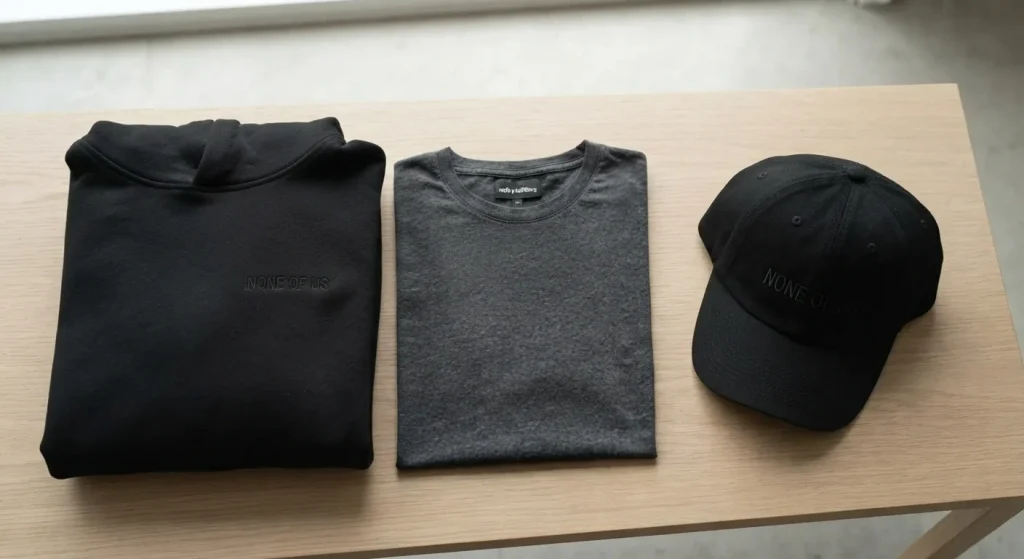
With sustainability becoming a major selling point, many fast-fashion giants and streetwear labels engage in greenwashing—spending more time and money marketing themselves as eco-friendly than actually minimizing their environmental impact.
- Vague Buzzwords: Words like “eco,” “natural,” or “green” without any proof or certification are usually red flags. Look for verifiable data.
- The “Green Capsule” Illusion: If a brand releases 99% fast-fashion items and one small collection made from 10% recycled cotton calling it “sustainable,” that is classic greenwashing.
- Lack of Supply Chain Details: If a brand cannot answer basic questions about where their fabrics come from, they likely do not know themselves.
4. Top Practices for Building a Sustainable Streetwear Wardrobe
Transitioning to an eco-friendly wardrobe isn’t just about buying from new brands; it is also about changing your consumption habits.
- Prioritize Versatility and Quality: Choose timeless streetwear pieces that you can mix and match easily, rather than chasing every single micro-trend. High-quality stitching and heavy GSM (grams per square meter) fabrics used in premium collections last much longer.
- Embrace Thrifting and Vintage: The most sustainable garment is the one that already exists. Thrift stores, vintage markets, and online resale platforms are goldmines for authentic streetwear pieces.
- Proper Garment Care: Extend the life of your clothes by washing them in cold water, avoiding the tumble dryer when possible, and using eco-friendly detergents. Caring for your clothes properly reduces your carbon footprint significantly.
5. The Future of Eco-Conscious Street Culture
The intersection of streetwear and sustainability is no longer a niche market—it is the future of fashion. As younger generations demand accountability, independent labels and major designers alike are forced to innovate. From biodegradable packaging to digital fashion concepts, the None Of Us movement is proving that being stylish and being sustainable can go hand in hand.
Conclusion
Choosing sustainable streetwear brands is a powerful way to support ethical creators and protect the planet without compromising your personal style. By looking past hype, checking fabric labels, supporting transparent brands, and focusing on quality over quantity, you can build a wardrobe that speaks volumes—both in style and substance.
Next time you are browsing a NofS store to cop a new drop, take a moment to research the brand behind it. Your style, and the planet, will thank you.