
Streetwear has undergone a massive transformation over the past decade. Once confined to Nofs Brand skateboard parks, hip-hop culture, and underground subcultures, it has exploded into the mainstream, dominating high-fashion runways and everyday wardrobes alike. Yet, as the market became saturated with loud branding, over-the-top graphics, and fast-fashion copycats, a counter-movement began to take shape. Enter minimalist streetwear—a sleek, understated, and highly intentional approach to urban style.
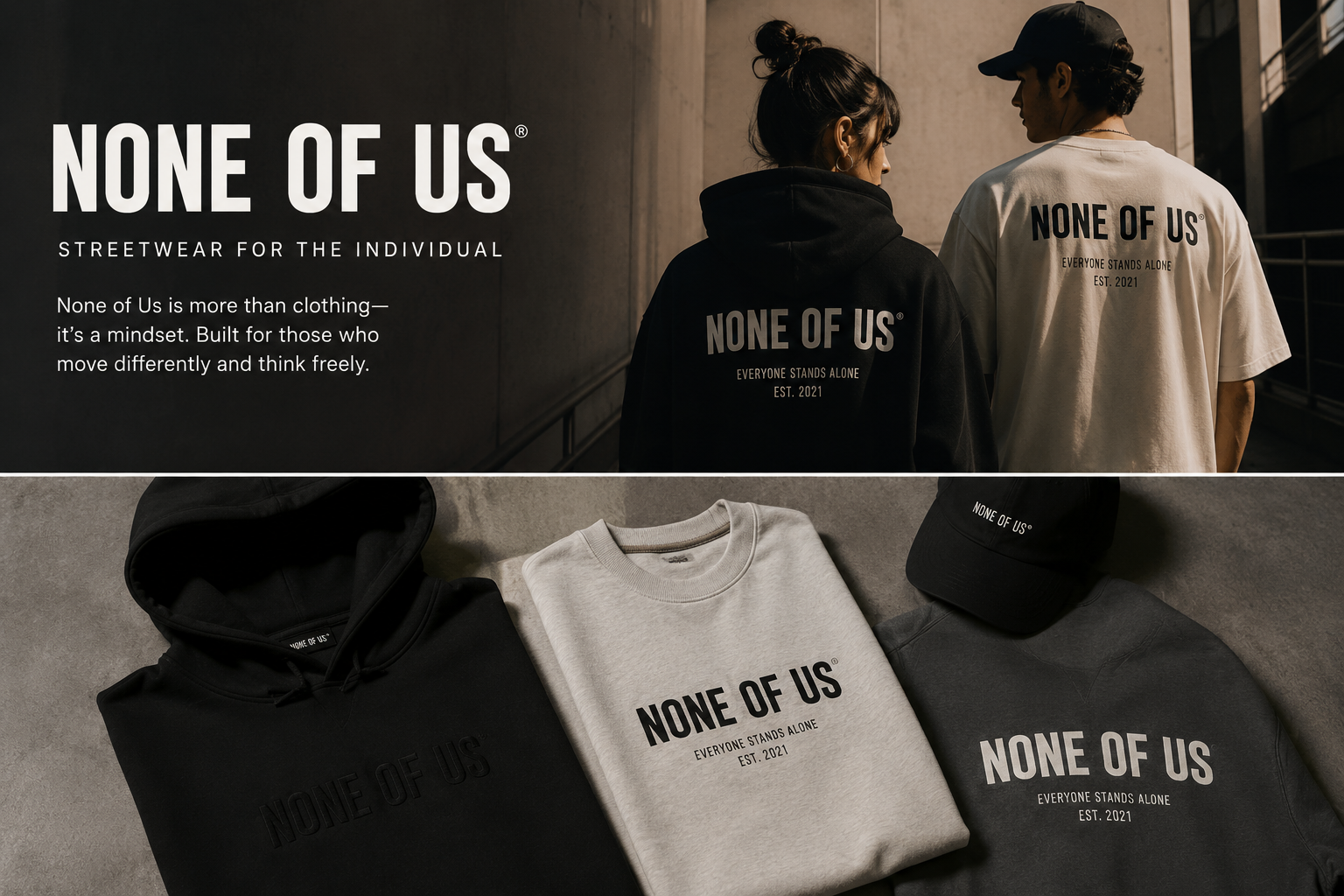
At the forefront of this shift are modern independent labels that prioritize clean silhouettes, premium fabrics, and quiet confidence over flashy logos. Brands like None of us have captured the zeitgeist of modern dressing by proving that true luxury lies in simplicity. In this deep dive, we explore how minimalist streetwear conquered urban fashion, why contemporary consumers are ditching maximalism, and how iconic pieces are reshaping the global fashion landscape.
The Evolution of Streetwear: From Underground to Mainstream Luxury
To understand why minimalist streetwear is currently dominating, we first need to look at how the culture evolved. Traditional streetwear was built on a foundation of exclusivity, bold typography, vibrant neon hues, and graphic-heavy tees. It was loud, rebellious, and designed to stand out in a crowd.
However, as streetwear became the dominant commercial force in global fashion, a phenomenon known as “logo fatigue” set in. Consumers grew tired of walking billboards. The market became flooded with mass-produced, low-quality garments plastered with oversized brand names.
This saturation created a gap in the market for a more refined aesthetic. Discerning fashion enthusiasts started looking for clothing that offered the relaxed, comfortable fit of streetwear combined with the clean lines and timeless appeal of minimalist design. This is where the modern NOFS brand philosophy found its footing—proving that you don’t need loud graphics to make a powerful statement.
What Defines Minimalist Streetwear?
Minimalist streetwear strips away the unnecessary noise of traditional apparel while retaining the core elements of comfort, functionality, and relaxed proportions. Several key pillars define this movement:
1. Muted and Earthy Color Palettes
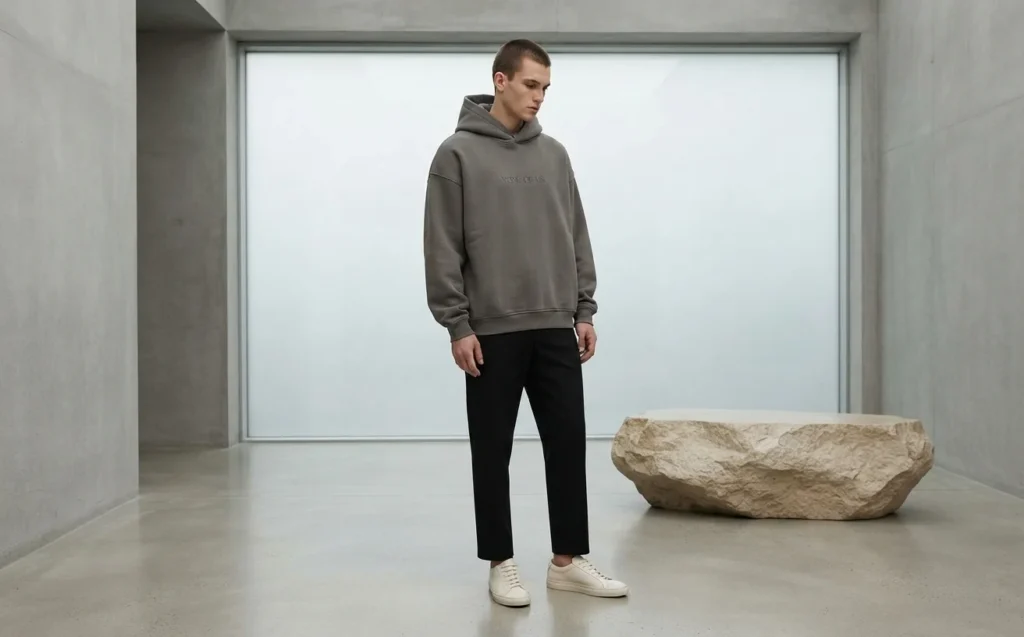
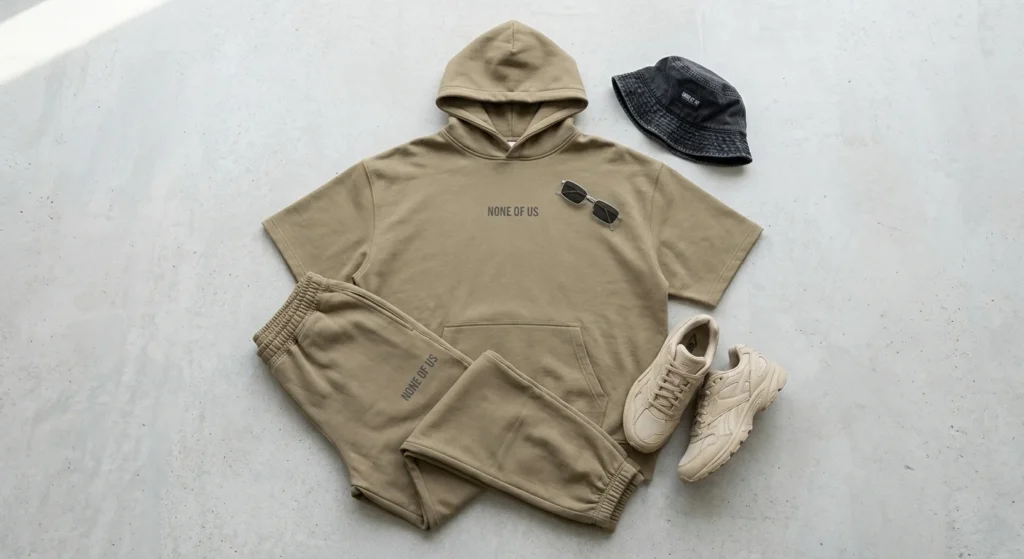
Instead of neon greens, hot pinks, and clashing primaries, minimalist urban wear relies on a sophisticated, neutral color palette. Charcoal grays, crisp whites, jet blacks, muted olives, oatmeal, and sand tones dominate. These colors make mixing and matching effortless, creating a cohesive capsule wardrobe.
2. Premium Heavyweight Fabrics
When you remove graphics and loud patterns, the quality of the garment becomes immediately apparent. Minimalist brands invest heavily in superior textiles. A standard thin cotton hoodie won’t cut it; instead, enthusiasts look for heavyweight, loopback French terry or densely knit cotton that offers structure, durability, and a luxurious drape.
3. Subordinate Branding
Discretion is the ultimate hallmark of modern luxury. Rather than splashing a massive logo across the chest, minimalist pieces feature subtle, tonal embroidery, minimalist rubber patches, or clean typography tucked discreetly near the hem or wrist.
The Core Staples of the Modern Wardrobe
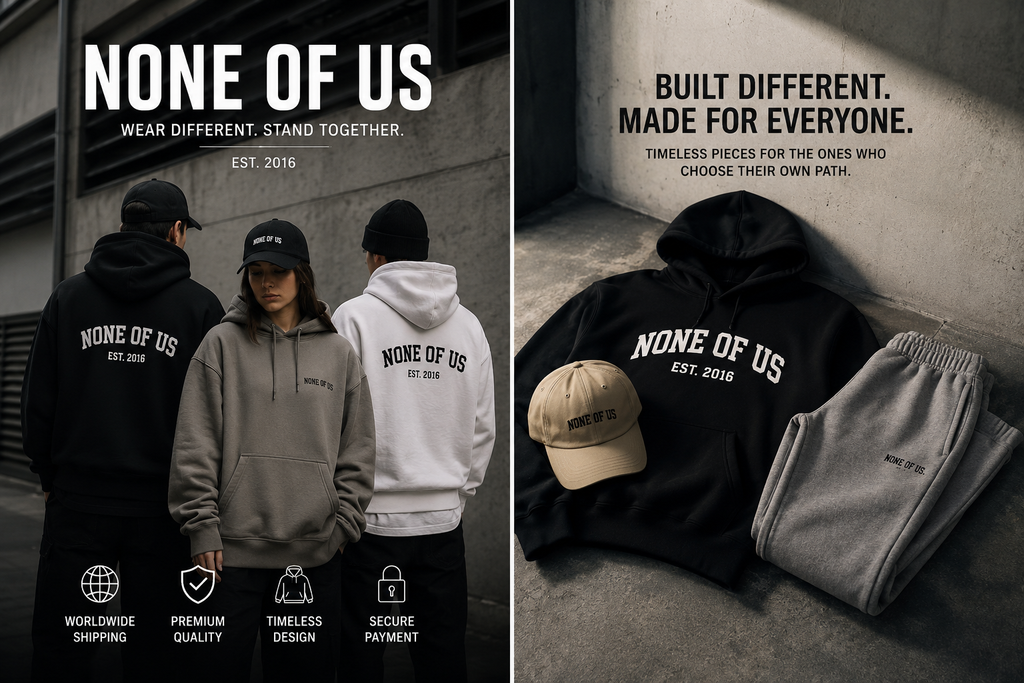
Building a minimalist streetwear wardrobe requires a focus on versatile, foundational pieces that can transition seamlessly from day to night, casual to semi-structured.
The Heavyweight Hoodie
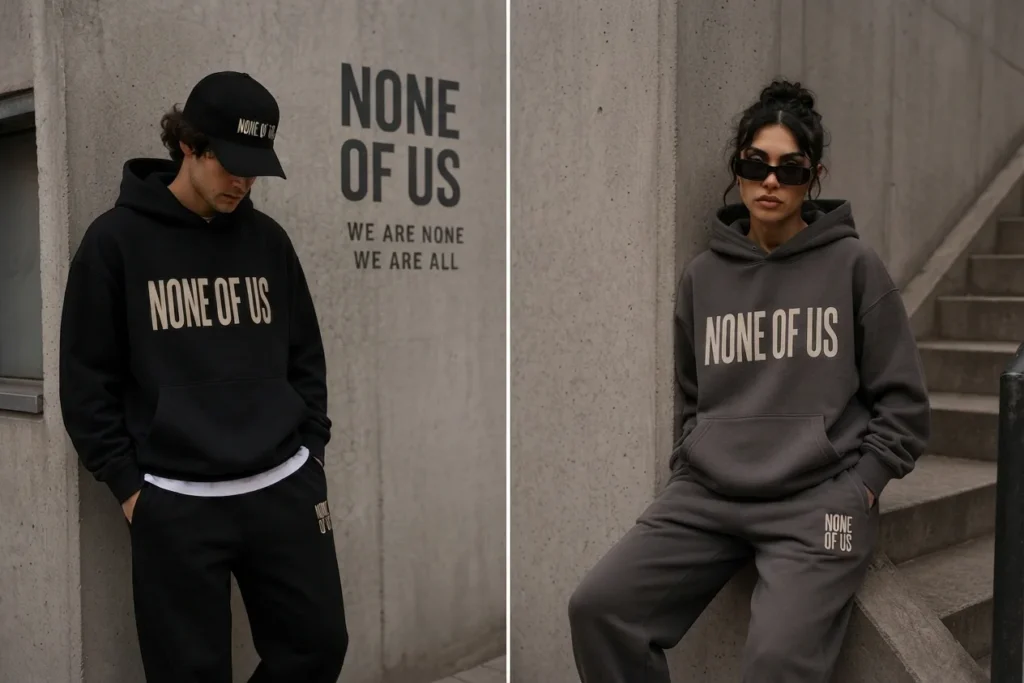
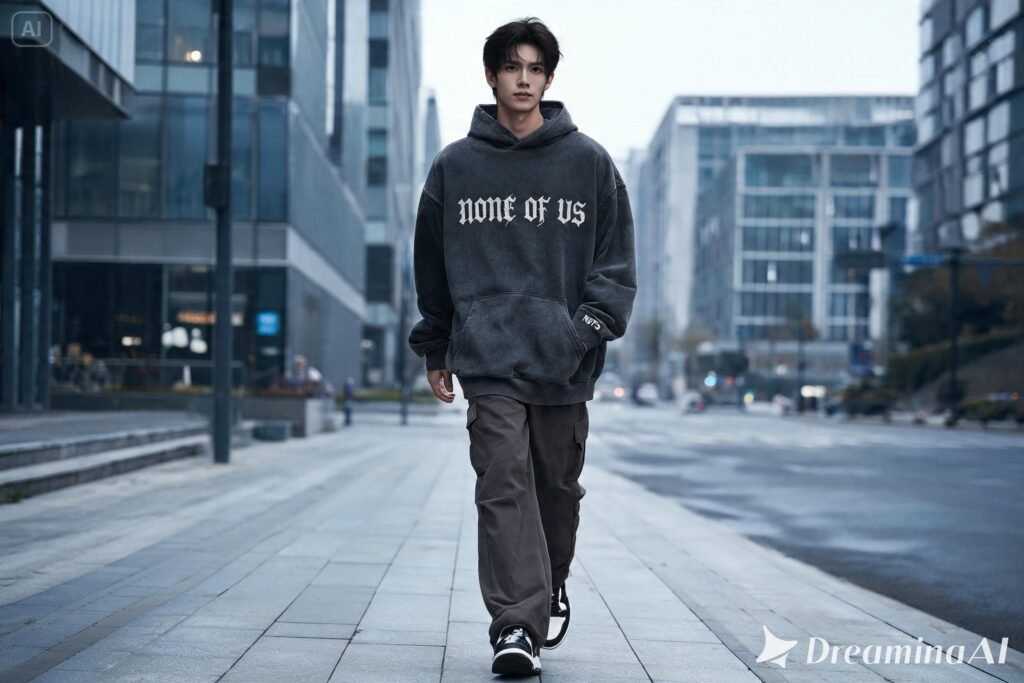
No urban wardrobe is complete without a reliable hoodie. However, the modern standard has shifted entirely toward the Nof’s hoodie. Built with structured hoods, dropped shoulders, and a heavy GSM (grams per square meter) fabric, these hoodies hold their shape and provide an unmatched level of coziness. They aren’t just loungewear; they are sculptural elements of an outfit.
Relaxed-Fit Tracksuits and Joggers
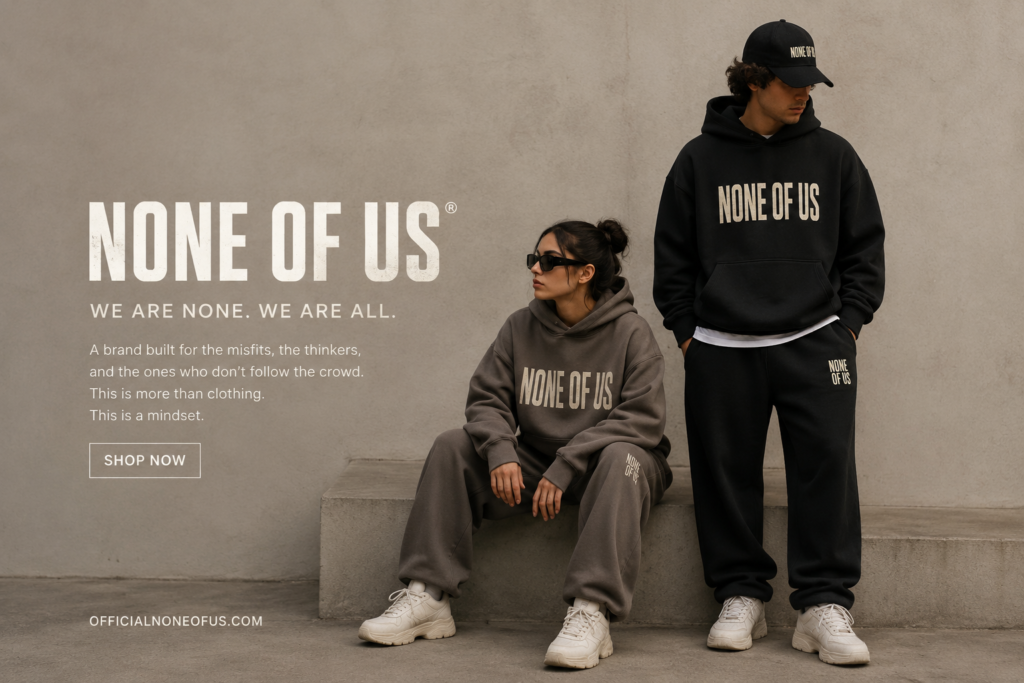
The global shift toward remote work, travel, and comfort-first living permanently elevated the status of the tracksuit. A well-tailored tracksuit from a trusted NofS store bridges the gap between athletic utility and high-end leisure. Paired with clean leather sneakers or minimalist trainers, a monochrome tracksuit looks intentional rather than lazy.
Oversized T-Shirts and Layering Tees
The silhouette of a minimalist tee is crucial. It features a boxy cut, slightly elongated sleeves, and a thick ribbed collar that doesn’t sag after a single wash. These tees serve as the ultimate foundation for layering under jackets or wearing standalone with distressed denim or cargo pants.
Why Minimalist Streetwear is Exploding Across Europe and Globally
The appeal of clean-cut urban fashion transcends borders, but it has found a particularly passionate audience in Europe. In fashion-forward hubs across the continent, style is defined by effortless sophistication.
The rise of Nofs Germany communities, pop-up culture, and digital-style forums highlights how European consumers have embraced this aesthetic. Urban dressers in Berlin, Paris, and London appreciate clothing that respects functionality while maintaining an avant-garde edge. The climate in these regions also makes heavyweight cotton apparel a year-round necessity rather than a seasonal luxury, driving massive demand for durable, weather-resistant streetwear staples.
Furthermore, European consumers are increasingly conscious of sustainability. Fast fashion encourages constant turnover, but minimalist streetwear champions longevity. By focusing on timeless designs that never go out of style, brands encourage a capsule wardrobe mindset where pieces are worn for years rather than months.
The Psychology Behind Quiet Confidence in Fashion
Fashion is a form of non-verbal communication. While loud graphic streetwear communicates a desire to grab immediate attention, minimalist streetwear communicates something deeper: quiet confidence.
When someone wears a meticulously cut, unbranded, or subtly branded minimalist clothing ensemble, it signals that they don’t need validation from loud logos. They value construction, fit, fabric weight, and personal comfort. This understated approach resonates strongly with Gen Z and millennial consumers who prioritize authenticity over superficial flashiness.
How to Style Minimalist Streetwear Pieces
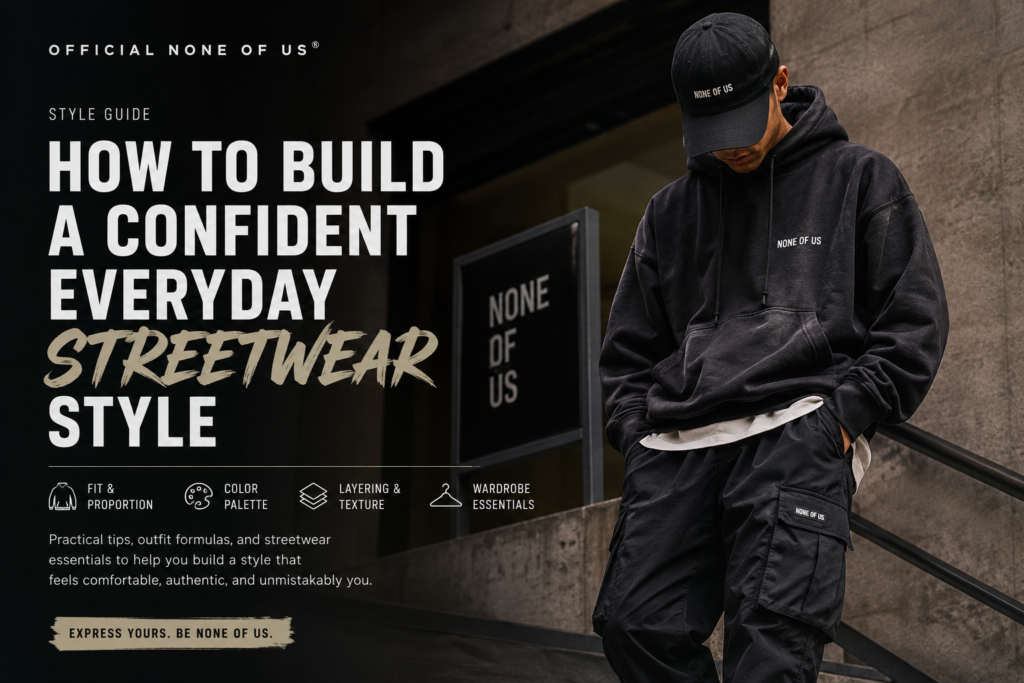
Mastering the minimalist aesthetic requires attention to proportion, texture, and layering. Here are a few ways to style your core pieces:
- Monochromatic Layers: Pair a charcoal heavyweight hoodie with matching joggers and sleek runner sneakers. Break up the tones slightly by wearing a crisp white fitted tee underneath, letting the hem peek out for a subtle contrast.
- Textural Contrast: Combine the smoothness of a heavy cotton hoodie with the rugged texture of a structured canvas jacket or a tailored wool overcoat. Mixing structured outerwear with relaxed inner layers is a signature urban styling trick.
- Accessorizing Sparingly: Keep accessories clean and functional. A minimalist crossbody bag, a sleek metal watch, or a plain ribbed beanie complete the look without cluttering the silhouette.
The Future of Urban Fashion: Where is the Industry Heading?
As we look toward the future of the fashion industry, it is clear that minimalism is not just a temporary fad—it is a structural evolution. Consumers are becoming smarter, more critical of fabric quality, and more intentional about their spending habits.
Brands that fail to adapt to this desire for quality, sustainability, and clean aesthetics risk getting left behind. The companies leading the charge are those that treat every seam, fabric blend, and fit adjustment as an art form. By focusing on exceptional craftsmanship and timeless design, modern pioneers are cementing a legacy that will outlast seasonal trends.
Whether you are building your everyday capsule wardrobe or looking to upgrade your comfort wear, investing in pieces that combine structural integrity with clean design is always a winning strategy. The streets belong to those who speak softly and dress with undeniable purpose.